

Within a world exactly where visual appeal usually determines our choices, food photography provides emerged as an essential art contact form that brings food to life. Whether you are a food tumblr, a restaurant user, or simply an individual who loves taking culinary creations, comprehending what makes food photography stand out and about is crucial. As all of us delve into the primary elements of gorgeous food photography, that becomes clear of which the right methods can transform ordinary meals into mouthwatering works of artwork.
Capturing flavor from the lens is not simply regarding the food on its own; it's about the story, the feeling, and the encounter it offers. By simply understanding what to seem for in food photography, you can easily boost your visual storytelling, making your audience crave every nip. From lighting plus composition to coloring harmony and styling, every aspect plays a new vital role inside creating images that are not only appealing but in addition evoke the detects. Join us since we explore the particular key ingredients for picture-perfect food photography and how to recognize high-quality images that will leave a lasting feeling.
Essential Elements of Food Photography
Any time considering food photography, lighting is among the many crucial elements. Natural light is often preferred, since it enhances the different shades and textures regarding the food, generating an appetizing appear. Soft, diffused gentle can help eradicate harsh shadows and even highlights, allowing the dish to sparkle without overwhelming the particular viewer. The perfect moment for natural gentle photography is throughout the golden hours, just after sunrise or before sun, when the light is usually warm and complementary.
Make up plays a crucial role in selling the story at the rear of the food. The arrangement of the particular dish, props, in addition to background can attract the viewer's eyesight and create a feeling of balance. Utilizing methods such as the particular rule of thirds or leading ranges can make the more dynamic and interesting. Plating style is definitely equally important; how the food will be presented for the plate can elevate the visual appeal, rendering it look more inviting and delicious.
Textures and colours add depth and even interest to food photography. Capturing the first textures of elements, whether it’s the crispness of vegetables or the creaminess of the sauce, might make the viewer almost taste the particular dish from the image. Vibrant colors could evoke emotions and even cravings, making the food appear more alluring. Focusing on these visual elements can certainly transform a fundamental food image straight into a mouthwatering item of art that captivates the audience.
Knowing High-Quality Food Images
When evaluating food photography, certain visual signs can help an individual determine its quality. Search for vibrant colours that will make the food look fresh and appealing. The use of natural light is essential, as it enhances the designs and details of the dish whilst eliminating harsh dark areas. A well-composed picture often draws typically the viewer’s eye toward the food, producing a sense involving intimacy and inviting them to relish the flavors.
Another crucial aspect to consider is the style with the food. High-quality food images normally feature thoughtfully set up dishes that emphasize key ingredients with no overwhelming the viewer. Props such since cutlery, napkins, and background elements ought to complement the food without stealing focus. The overall makeup must evoke a sense of taste and aroma, making the viewers almost feel the textures and aromas.
Last but not least, examine the clearness and sharpness associated with the image. A truly great food photograph should have crisp details that let the viewer to be able to appreciate the elaborate aspects of the dish. Blurry or perhaps grainy images deter from the overall appeal and can make even the most delicious-looking food appear unappetizing. Strive to identify images that certainly not only capture the essence of the food but also found it in some sort of way that is visually enticing plus mouthwatering.
Key Features involving Irresistible Food Photos
A great appealing food image is often seen as a vibrant colors that will pop and pick up attention. Bright hues not only enhance the visual appeal although also evoke tastes and sensations associated with the dish. The use of complementary colors can create a more dynamic composition, the food appear fresh and appealing. Lighting plays a crucial role right here; natural light might elevate a dish's colors, bringing away the freshness of ingredients and producing a sense involving warmth that takes in the viewer in.
Texture is another essential element that may make or break up a food photograph. Capturing the surface details of food, such as the crispiness of any golden-brown crust or perhaps the creaminess of a wealthy sauce, adds level and interest for the image. Close-up pictures are particularly successful in showcasing these textures, inviting the viewer to imagine how the food would feel on their teeth. This sensory factor is what turns an easy image directly into an enticing visual experience that can almost provoke a craving.
Lastly, composition is vital in making sure that the food is the focal point of the picture. Employing techniques enjoy the rule regarding thirds can guidebook the viewer's eye to the nearly all important portions of the particular dish. Utilizing undesirable space allows the food to stand up out even more, creating balance and harmony within typically the frame. A well-composed image not just features the dish but also tells a tale, whether it's about the ingredients, the prep, or the time of enjoyment, making it more relatable and engaging for the audience.
Evaluating Food Photography for Marketing
When assessing food photography regarding marketing purposes, it is essential to consider composition and styling. A well-composed shot draws the viewer’s eye in addition to showcases the food in its very best light. Look with regard to balanced arrangements of which create an welcoming narrative, using tiers and angles to highlight the dish's exclusive elements. The design should complement the food, enhancing the natural appeal with out overwhelming it, making sure the colors and even textures stand out and about.
One other crucial factor is usually lighting, which will significantly influence the recognized quality in the food. Natural light is usually the most complementing, releasing vibrant hues and creating a new fresh look. Avoid visit their website or perhaps direct lighting, as it could create unappetizing dark areas and highlights. Examine whether the lighting improves the food's features, so that it is look a lot more appetizing, as this plays a considerable part in attracting clients and building a great impression of the brand.
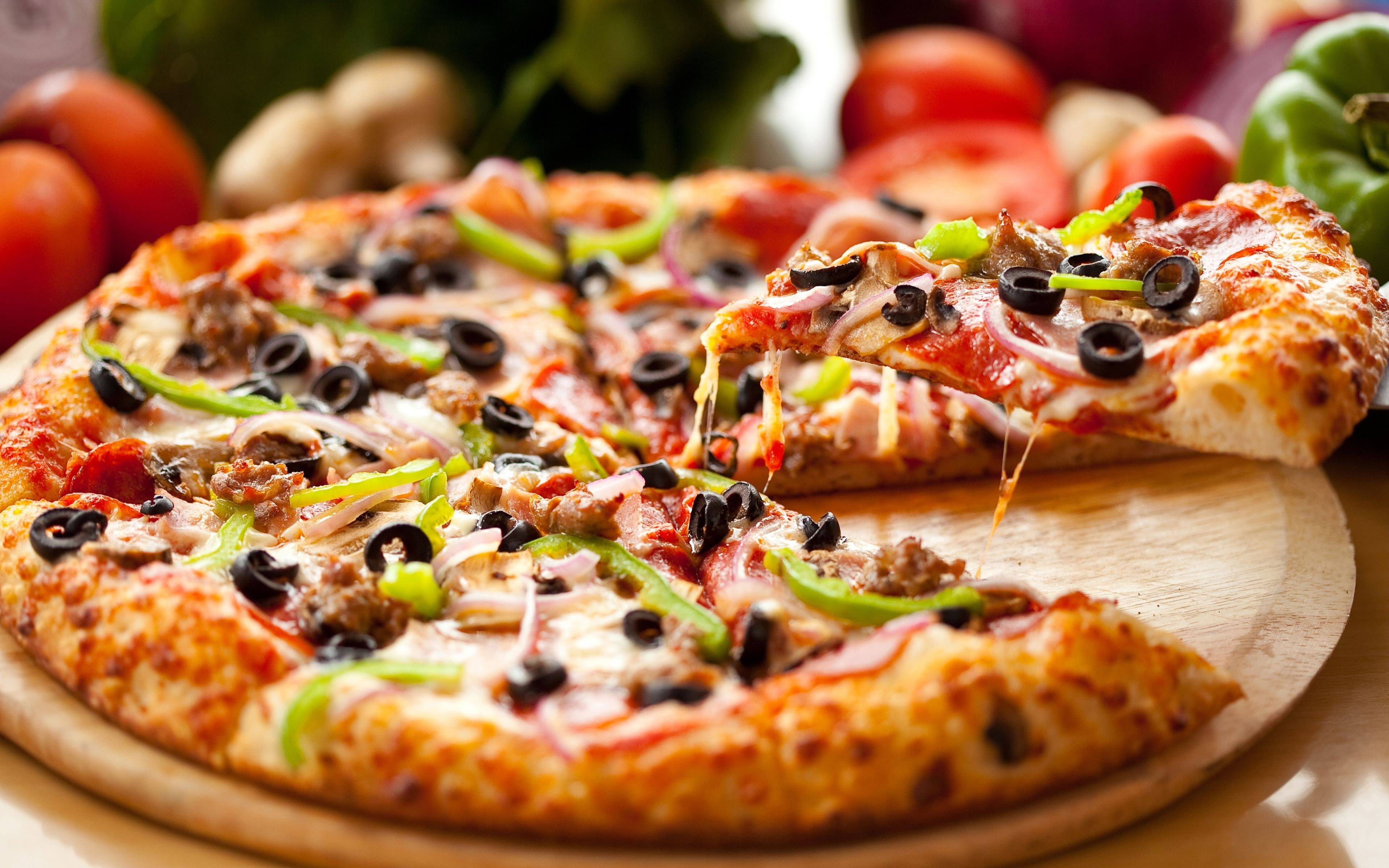
Finally, consider the emotional effect of the photography. Effective food photography evokes feelings associated with warmth, comfort, or even excitement, so that it is relatable to the target audience. It should show a tale that resonates with consumers, attaching these to the brand's values and life-style. By focusing upon the emotional link conveyed throughout the photo, marketers can far better engage their target audience and drive fascination in their culinary arts offerings.